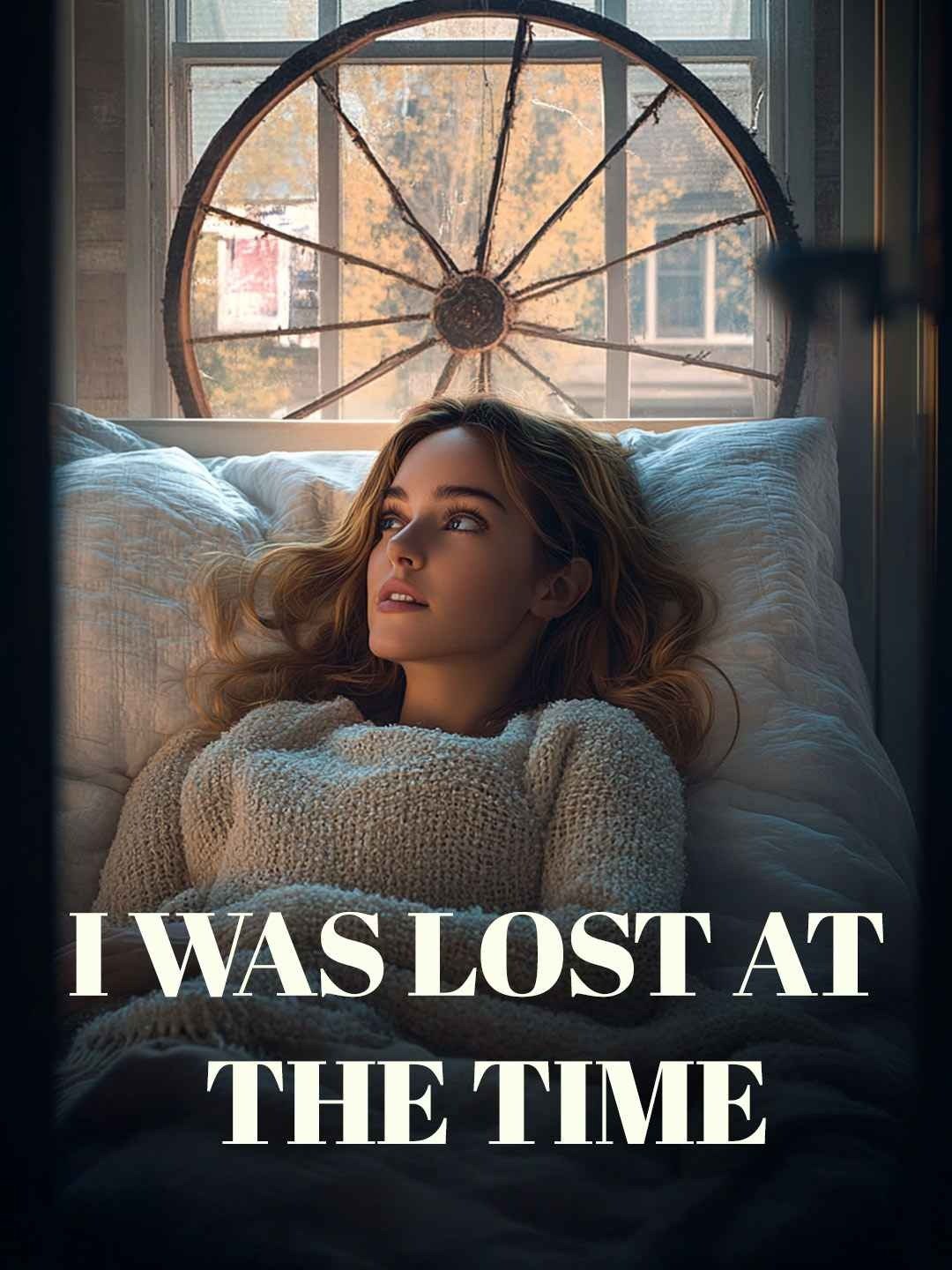
"Are you certain you want to refuse treatment?" In the examination room, the white ceiling reflected the setting sun's rays, the glare so intense that Jeanette Palme could barely keep her eyes open. Clutching her stomach cancer diagnosis report, she replied with calm composure: "Yes, I'm certain." The doctor, bound by professional duty, continued his persuasion: "Although your cancer is in the intermediate to advanced stage, the condition hasn't spiraled out of control yet. You're still young, and with aggressive treatment, while we can't achieve a complete cure, we could at least extend your life." She smiled softly: "Thank you for your kindness, but I've already made my decision to accept this outcome." Her meaning was crystal clear—she had decided to wait for death. The doctor was about to say more when Jeanette's phone rang. The voice on the other end was urgent, coming through clearly despite the old phone: "Jeanette, we have a crisis! There's a problem with the company project! The new data needs Mr. Myers' approval, but we can't reach his work number..." Today marked the one-week anniversary of Wiley Myers and his fiancée Sally Gallagher. They should be enjoying a candlelit dinner on the top floor of the Marriott Hotel right now, taking in the night view. Jeanette said quietly: "I understand. I'll handle it now."
Watch All FreeLimited-time free event: This free viewing activity is jointly launched by ReelShort and FreeDrama. Click the button to download the APP and watch all episodes of I was lost at the time for free.
I was lost at the time masterfully subverts expectations by centering not on romance or suspense, but on quiet moral gravity. Jeanette’s calm refusal of life-extending treatment—delivered amid sterile light and personal grief—anchors the narrative in profound human dignity. Unlike typical short-form dramas that rely on rapid plot twists or exaggerated reactions, this piece lingers in silence, in the weight of a phone call interrupting mortality, in the contrast between candlelit anniversaries and clinical despair.
What sets I was lost at the time apart is its restraint. While most reels prioritize immediate emotional spikes—shouting matches, dramatic reveals, or cliffhanger exits—this story trusts subtext: the unspoken bond between Jeanette and Wiley, the irony of her professional composure masking private collapse, the sun’s glare mirroring inner exposure. Every detail serves dual purpose—the diagnosis report, the unreachable Mr. Myers, even the Marriott’s rooftop view—building thematic resonance without exposition.
The tension isn’t between characters, but between roles: caregiver versus patient, employee versus mourner, witness versus participant in one’s own ending. Jeanette doesn’t rage or bargain; she chooses presence—in medicine, in crisis management, in farewell. That rare authenticity transforms a 90-second reel into something hauntingly literary. It asks not “What happens next?” but “What does it mean to show up—fully, quietly—when time runs thin?”
Experience this poignant, layered storytelling firsthand—download the FreeDrama App today.
I was lost at the time moves at a fast pace, with plot twists in every episode. Highlights and surprises keep you hooked. Watching on ReelShort APP, playback is smooth and transitions seamless, making binge-watching a joy.
I was lost at the time moves at a fast pace, with plot twists in every episode. Highlights and surprises keep you hooked. Watching on ReelShort APP, playback is smooth and transitions seamless, making binge-watching a joy.
I was lost at the time is not just a short drama, but a mirror reflecting life's joys and sorrows. Clever plot arrangements make every choice resonate and provoke reflection. Watching on ReelShort inspires deep thought alongside entertainment.
Limited-time free event: This free viewing activity is jointly launched by ReelShort and FreeDrama. Click the button to download the APP and watch all episodes of I was lost at the time for free.